
Chinese Cuisine: A Complete Guide to Flavours, Dishes and Culinary Traditions
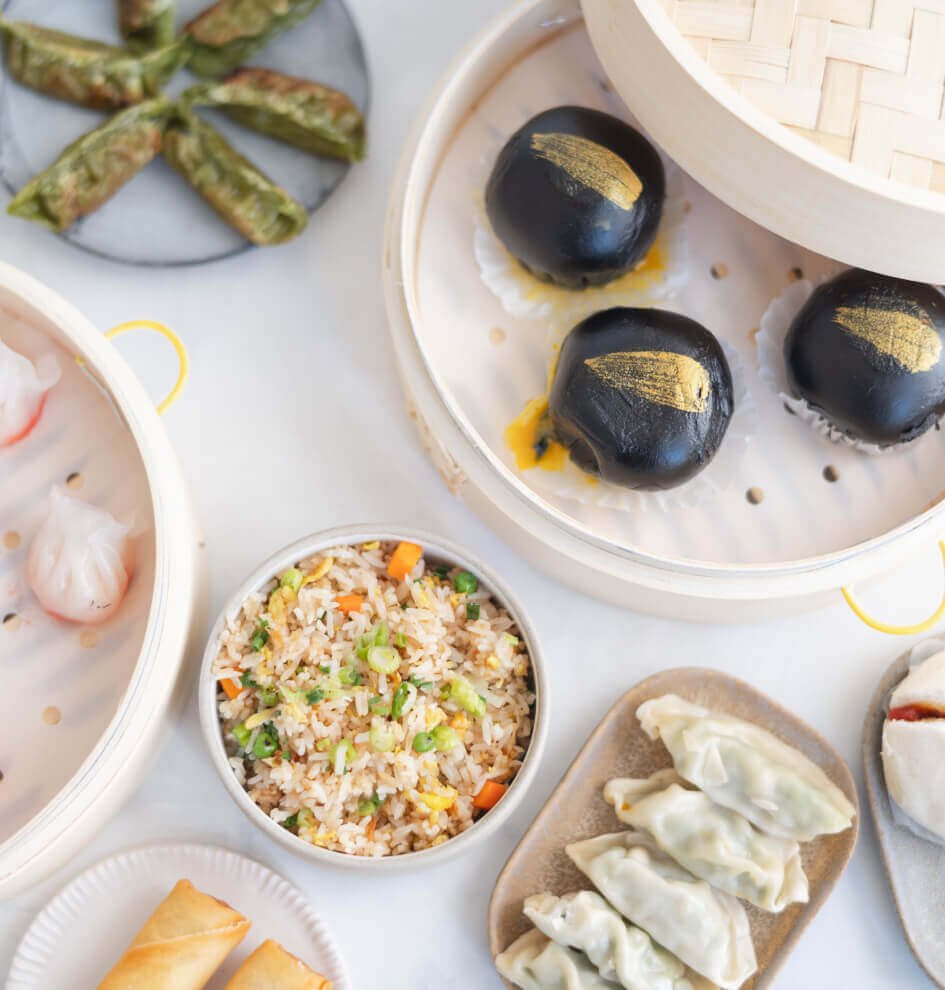
Chinese cuisine is one of the most diverse and influential food traditions in the world. Known for its balance of flavours, contrasting textures, fresh ingredients and distinctive cooking techniques, Chinese food has evolved over thousands of years. From fragrant stir-fries and delicate dumplings to spicy Sichuan dishes and Cantonese dim sum, every region of China offers its own culinary identity.
Today, Chinese cuisine is enjoyed across the globe, with restaurants adapting traditional recipes to suit local tastes while continuing to preserve many of the techniques and ingredients that make Chinese food unique.
What Makes Chinese Cuisine Unique?
Chinese cuisine is much more than fried rice, noodles and stir-fried vegetables. It represents a sophisticated combination of ingredients, cooking methods, regional traditions and cultural practices.
One of the defining characteristics of Chinese cooking is the pursuit of balance. Chefs carefully combine flavours such as sweet, sour, salty, bitter and umami. Texture is equally important, with dishes often combining crisp, tender, chewy and silky elements.
Freshness also plays a major role. Vegetables, seafood, meat, poultry, tofu, noodles and rice are commonly prepared shortly before serving to preserve their flavour and texture.
The Importance of Cooking Techniques
Chinese cooking is particularly famous for its diverse cooking techniques. Stir-frying, steaming, braising, deep-frying, roasting and boiling are widely used.
Stir-frying, for example, allows ingredients to cook quickly over high heat while retaining much of their natural texture. Steaming is commonly used for dumplings, fish and other delicate foods, while braising creates rich and deeply flavoured dishes.
The Major Regional Styles of Chinese Cuisine
China's enormous geographical and cultural diversity has resulted in numerous regional food traditions. Although Chinese cuisine is often discussed as a single category, the flavours and ingredients can vary dramatically from one region to another.
Sichuan Cuisine
Sichuan cuisine is famous for its bold, spicy and aromatic flavours. Sichuan peppercorns are a signature ingredient, producing a distinctive tingling sensation when combined with chilli.
Popular dishes include Mapo Tofu, Kung Pao Chicken and Sichuan-style hot pot. Garlic, ginger, chilli and fermented ingredients are also frequently used to create complex layers of flavour.
Cantonese Cuisine
Cantonese cuisine originates primarily from Guangdong and is known for its emphasis on fresh ingredients and relatively delicate seasoning.
Dim sum is one of its most famous culinary traditions. It includes a wide variety of small dishes such as steamed dumplings, buns, rice rolls and savoury pastries. Cantonese cuisine also includes roasted meats, steamed fish and seafood preparations.
Shandong Cuisine
Shandong cuisine is one of China's major traditional culinary styles and is particularly known for seafood, soups and savoury flavours. Fresh ingredients are often prepared using techniques that highlight their natural taste.
The cuisine has also had an important influence on cooking traditions in northern China.
Jiangsu Cuisine
Jiangsu cuisine is recognised for its refined presentation, balanced flavours and carefully prepared ingredients. It often incorporates seafood, freshwater fish, vegetables and meat.
Braised dishes and carefully prepared soups are particularly important, and chefs often pay close attention to the appearance and texture of the final dish.
Hunan Cuisine
Hunan cuisine is known for its strong flavours and generous use of chilli, garlic and aromatic ingredients. Unlike Sichuan cuisine, which is particularly associated with the numbing sensation of Sichuan peppercorns, Hunan cooking is often characterised by a more direct and intense heat.
Smoked and cured ingredients are also commonly found in Hunan dishes.
Popular Chinese Dishes
Chinese cuisine offers an enormous variety of dishes, ranging from everyday meals to elaborate banquet preparations.
Dumplings
Dumplings are among the most recognisable foods associated with Chinese cuisine. They can be filled with pork, chicken, seafood, vegetables or combinations of different ingredients.
Depending on the region and recipe, dumplings may be steamed, boiled or pan-fried. They are particularly significant during Chinese festivals and family celebrations.
Fried Rice
Fried rice is a popular dish made by stir-frying cooked rice with ingredients such as vegetables, eggs, meat or seafood. Soy sauce and aromatic seasonings can be added to create additional flavour.
Its versatility has made fried rice popular far beyond China, although recipes and preparation methods vary considerably between regions and restaurants.
Noodles
Noodles occupy an important place in Chinese culinary culture. They can be served in soups, stir-fried with vegetables and meat, or accompanied by rich sauces.
Different regions have developed their own noodle traditions, resulting in an impressive variety of shapes, textures, broths and toppings.
Spring Rolls
Spring rolls consist of thin wrappers filled with vegetables, meat or other ingredients. They may be fried until crisp or prepared using alternative cooking methods depending on the regional recipe.
They have become particularly popular internationally as an appetiser.
Peking Duck
Peking Duck is one of China's most famous culinary specialities. Traditionally, the duck is prepared to achieve crisp skin and tender meat before being served with thin pancakes, vegetables and a savoury sauce.
The dish is associated with Beijing and is often presented as a special dining experience.
Essential Ingredients in Chinese Cooking
A well-stocked Chinese kitchen can contain a wide range of sauces, spices, grains, vegetables and aromatic ingredients.
Soy Sauce
Soy sauce is one of the most widely used ingredients in Chinese cooking. It contributes saltiness, colour and umami to many dishes.
Different varieties, including light and dark soy sauce, can serve different purposes in cooking.
Ginger, Garlic and Spring Onion
Ginger, garlic and spring onion form a fundamental aromatic combination in many Chinese recipes. They can be used to flavour stir-fries, soups, sauces, marinades and meat dishes.
Rice and Noodles
Rice and noodles are important staples and serve as the foundation for countless meals. Their preparation varies according to regional traditions and the type of dish being made.
Tofu
Tofu is made from soybeans and is an important ingredient in many Chinese dishes. It can be steamed, fried, braised or added to soups and stir-fries. Its ability to absorb sauces and seasonings makes it extremely versatile.
Chinese Cuisine and Food Culture
Food has a strong cultural and social role in China. Meals are often shared, with several dishes placed in the centre of the table rather than each person receiving a completely separate meal.
This communal approach encourages people to taste different flavours and dishes during the same meal.
Food is also closely connected with festivals and traditions. Certain dishes have symbolic meanings related to prosperity, longevity, happiness and family unity.
The Art of the Chinese Dining Experience
Presentation, freshness and balance are important aspects of Chinese dining. A meal can include several contrasting dishes, such as vegetables, meat, seafood, soup and a staple such as rice or noodles.
Tea is also an important part of Chinese food culture and can accompany meals or be served separately.
Chinese Cuisine Around the World
Chinese cuisine has travelled far beyond China's borders and has become a major part of the global food scene. Chinese restaurants can be found in cities across Asia, Europe, North America, Australia and many other regions.
International versions of Chinese dishes often reflect local ingredients and preferences. As a result, the Chinese food served outside China may differ significantly from traditional regional cuisine.
Nevertheless, the fundamental principles of Chinese cooking remain influential: fresh ingredients, careful preparation, balanced flavours and attention to texture.
Conclusion
Chinese cuisine is a remarkable culinary tradition shaped by geography, history, culture and regional diversity. From spicy Sichuan dishes and delicate Cantonese dim sum to dumplings, noodles, fried rice and Peking Duck, its variety offers something for almost every palate.
What makes Chinese cuisine particularly fascinating is that there is no single definition of what Chinese food should taste like. Each region has developed its own ingredients, techniques and flavour combinations, creating a culinary landscape that continues to evolve.
Whether enjoyed at a traditional restaurant, prepared at home or explored through regional specialities, Chinese cuisine provides an opportunity to experience centuries of culinary knowledge through food.